Robotic process automation services are transforming the way organizations operate, turning repetitive, rule-based tasks into fast, accurate, and scalable digital workflows. When implemented strategically, RPA does more than just cut costs—it raises quality, unlocks capacity, empowers employees, and creates a stronger foundation for innovation and growth. Businesses that leverage these tools can also gain insights into customer loyalty trends with AI, enabling them to deliver smarter, more personalized experiences that drive long-term engagement.
Beyond efficiency, companies increasingly rely on cutting-edge technologies to maintain a competitive edge. Many organizations explore the potential of high-performance computing solutions to handle large-scale data processing and improve decision-making. When combined with automation, these platforms can significantly enhance operational agility, allowing teams to focus on strategic initiatives rather than manual tasks.
For businesses seeking more advanced infrastructure, supercomputer technology for enterprises provides the speed and reliability needed to analyze complex datasets in real time. Integrating these solutions with robust RPA tools ensures that repetitive workflows are not only automated but also optimized for maximum efficiency. Companies that invest in these technologies often notice improved employee satisfaction, as mundane tasks are minimized and creative problem-solving is prioritized.
Marketing teams are also tapping into digital intelligence to refine their outreach strategies. By leveraging insights from marketing strategies for customer engagement, businesses can tailor their campaigns, increase conversion rates, and strengthen brand loyalty. Automation platforms complement these efforts, ensuring that campaigns are executed consistently across multiple channels without additional manual work.
Additionally, adopting advanced marketing automation tools allows organizations to synchronize sales and marketing initiatives more effectively. Workflows can be seamlessly orchestrated to deliver targeted messaging, track customer interactions, and optimize content delivery—all while saving time and reducing operational costs.
Financial operations also benefit from integrating intelligent systems. Utilizing top resources for financial management helps organizations streamline budgeting, reporting, and compliance processes. When combined with robotic process automation services, these tools create a resilient framework that supports both strategic planning and day-to-day operations.
Incorporating these advanced technologies ensures that businesses stay ahead in an increasingly digital world. From boosting productivity to enhancing customer engagement, the combination of automation, computing power, and smart marketing approaches empowers companies to achieve sustainable growth and continuous innovation.
Top 10 Robotic Process Automation Services Providers
Robotic process automation services are transforming business operations across industries by automating repetitive, rule-based tasks. Choosing the right provider is crucial to maximize efficiency, reduce costs, and improve customer experience. Here are the top 10 RPA service providers you should consider:
1. Bright Pattern
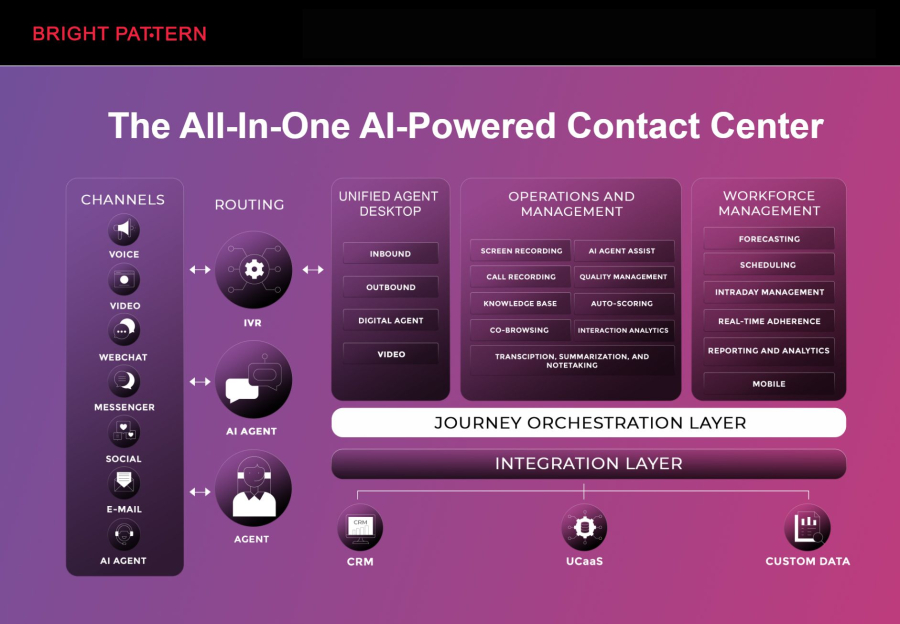
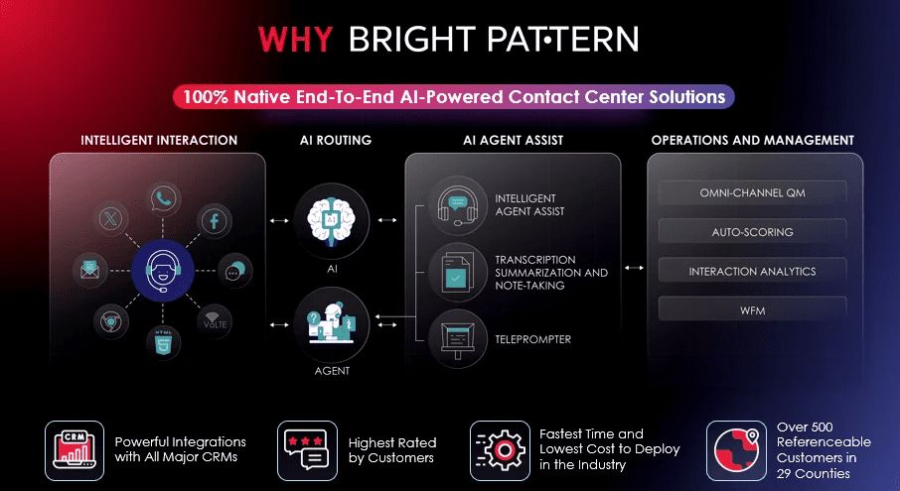
Bright Pattern leads the way in providing comprehensive robotic process automation services that integrate seamlessly with artificial intelligence and customer engagement platforms. Their solutions are designed to improve operational efficiency, enhance employee productivity, and deliver superior customer experiences.
Some key features of Bright Pattern’s RPA services include:
- Scalable digital workflows that handle repetitive tasks quickly and accurately
- Integration with AI-driven analytics to identify process bottlenecks
- Tools to empower employees by automating routine work
- Customizable automation strategies tailored for different industries
- Insights into customer loyalty trends with AI to drive long-term engagement
By leveraging Bright Pattern, businesses can not only automate processes but also unlock innovation, streamline communication, and strengthen overall organizational performance.
2. UiPath
UiPath offers a robust suite of robotic process automation services with a focus on enterprise scalability and advanced AI integration. Their platform enables businesses to automate complex workflows and improve efficiency across multiple departments.
3. Automation Anywhere
Automation Anywhere provides a flexible RPA platform that combines cognitive automation, analytics, and cloud capabilities. The platform is known for its user-friendly interface and strong developer community.
4. Blue Prism
Blue Prism is recognized for its secure and scalable RPA solutions that support end-to-end automation. Its digital workforce enables companies to automate repetitive tasks while maintaining compliance standards.
5. Pega
Pega delivers RPA services with an emphasis on process optimization and customer engagement. Its automation tools integrate with existing business systems to improve workflow efficiency.
6. WorkFusion
WorkFusion specializes in intelligent automation that combines RPA with machine learning. Their solutions focus on enhancing productivity and operational accuracy in data-intensive industries.
7. NICE
NICE offers RPA solutions designed for both front-office and back-office processes. Their platform emphasizes analytics-driven automation to improve customer experience and operational performance.
8. Kryon
Kryon provides end-to-end RPA services with both attended and unattended automation options. The platform is known for its quick deployment and ease of use, making it suitable for organizations of all sizes.
9. AntWorks
AntWorks delivers an integrated approach to RPA by combining artificial intelligence with automation. Their solutions help businesses streamline document processing, data entry, and workflow optimization.
10. EdgeVerve
EdgeVerve, an Infosys company, offers RPA services focused on intelligent process automation. Their platform supports enterprise-scale deployments and advanced analytics to enhance decision-making.
What Are Robotic Process Automation Services?
Robotic process automation (RPA)uses software "bots" to perform routine, structured tasks that humans would normally carry out on computers. These bots interact with systems and applications in the same way a person does: clicking, typing, copying, pasting, reading from screens, and entering data.
RPA servicesare the professional services that help you design, build, deploy, manage, and continuously improve those software bots. They typically include:
- Process discovery and assessment
- RPA strategy and roadmap development
- Bot design, configuration, and testing
- Deployment, integration, and scaling
- Support, monitoring, and optimization
- Training and change management for your teams
Working with RPA specialists turns automation from a one-off project into a repeatable capability that delivers measurable, long-term value.
Core Benefits of RPA Services for Your Organization
When RPA services are implemented with a clear strategy and strong governance, organizations quickly see benefits across cost, quality, and agility.
1. Significant Cost Savings
RPA bots can run 24/7, never take breaks, and complete tasks at machine speed. This leads to:
- Lower operational costsby automating high-volume, manual processes.
- Better utilization of talentbecause employees shift from repetitive work to higher-value activities.
- Consistent throughputduring peak periods without needing to hire temporary staff.
2. Higher Accuracy and Compliance
Manual data entry and repetitive tasks are prone to human error. RPA services reduce these risks by designing bots that follow defined rules every time. Benefits include:
- Fewer errorsin invoices, customer records, orders, and reports.
- Stronger compliancebecause steps are logged, auditable, and executed consistently.
- Standardized processesacross teams, locations, and business units.
3. Faster Cycle Times and Better Customer Experience
By automating the slow, manual steps in customer-facing processes, RPA services help you respond faster and more consistently. You can:
- Shorten turnaround timesfor approvals, onboarding, and case resolution.
- Provide real-time updatesbecause data moves instantly between systems.
- Deliver smoother experienceswith fewer delays and handoffs.
4. Increased Employee Engagement
When tedious work is automated, teams gain time and mental bandwidth to focus on strategic, creative, and relationship-driven tasks. This often leads to:
- Higher job satisfactionas employees spend less time on low-value tasks.
- More innovationbecause people can focus on improvements instead of fire-fighting.
- Better collaborationas roles shift from data processing to decision-making.
5. Scalability and Business Agility
RPA services make it possible to scale operations quickly without the delays of recruiting, training, and onboarding new staff. You can:
- Scale upduring busy seasons by increasing bot capacity.
- Scale downwhen demand is lower without restructuring teams.
- Adapt fasterto new processes and regulations by reconfiguring bots instead of retraining entire departments.
Ideal Processes for Robotic Process Automation
Not every process is a good fit for RPA. The best candidates share common traits. RPA services typically start by identifying processes that are:
- Rule-based– decisions follow clear, documented rules.
- Repetitive and high volume– tasks performed frequently by many people.
- Digital and structured– data comes from systems, spreadsheets, or forms.
- Stable– process steps and screens do not change daily.
- Time-sensitive– delays impact customers, cash flow, or compliance.
Common Use Cases by Business Function
|
Business Area |
Example RPA Use Cases |
Key Benefits |
|
Finance & Accounting |
Invoice processing, accounts payable, accounts receivable, reconciliations, expense management |
Faster closing, fewer errors, better cash flow visibility |
|
Human Resources |
Employee onboarding, offboarding, payroll updates, benefits enrollment, background checks |
Smoother employee experience, reduced admin workload |
|
Customer Service |
Case creation, ticket routing, customer data updates, refunds, status notifications |
Quicker responses, consistent service levels |
|
Sales & Marketing |
Lead entry, CRM updates, quote generation, contract data entry, campaign list management |
More selling time, cleaner data, faster quotes |
|
Operations & Supply Chain |
Order processing, inventory updates, shipment tracking, vendor onboarding |
Fewer bottlenecks, better visibility, improved on-time delivery |
|
IT & Security |
User provisioning, password resets, system monitoring, routine checks and reports |
Reduced tickets, improved service levels, more time for strategic projects |
What Do Robotic Process Automation Services Include?
While every provider has a unique approach, most RPA service engagements follow a similar lifecycle. Understanding these steps helps you plan your automation journey and set clear expectations.
1. Discovery and Opportunity Assessment
The first step is to identify where automation will deliver the strongest outcomes. RPA specialists will typically:
- Map your end-to-end processes and current workflows.
- Identify tasks that are rule-based, repetitive, and high volume.
- Estimate time savings, cost reductions, and error reduction potential.
- Prioritize a shortlist of high-impact processes for initial automation.
The output is often anautomation pipelineand a clear, business-focused case for your first wave of bots.
2. RPA Strategy and Roadmap
Next, the provider helps you design a strategy that aligns automation with your broader goals. This stage can include:
- Defining your vision and objectives for RPA (for example, cost optimization, service quality, or growth).
- Selecting RPA platforms and tools that fit your technology landscape.
- Setting up governance models, roles, and responsibilities.
- Creating a roadmap that phases automation across departments.
3. Process Design and Solution Blueprint
Once priorities are set, the team designs how each process will work in an automated state. Activities typically include:
- Documenting the current process in detail, step by step.
- Optimizing or simplifying the process before automating it.
- Defining rules, exceptions, and decision points.
- Designing the bot workflow, integrations, and handoffs with human users.
The result is asolution design documentthat serves as a blueprint for bot development and testing.
4. Bot Development and Testing
With the design in place, RPA developers configure bots using the chosen platform. During this phase they:
- Build automation workflows and scripts according to the blueprint.
- Integrate with your existing applications and data sources.
- Run unit tests, system tests, and user acceptance testing.
- Fine-tune performance, error handling, and exception management.
Modern RPA development often uses reusable components, which speeds up future automations and improves overall quality.
5. Deployment and Change Management
When testing is complete, bots are deployed into your production environment. Effective RPA services focus not only on the technical rollout, but also on the people side of change. This stage includes:
- Controlled go-live, often starting with a pilot group or limited volume.
- Training for process owners, operations teams, and business users.
- Communication plans that explain benefits and new ways of working.
- Support channels to capture feedback and resolve early issues quickly.
6. Monitoring, Support, and Continuous Improvement
After go-live, RPA services help you maximize value over time. Ongoing activities typically include:
- Monitoring bot performance, success rates, and exceptions.
- Adjusting bots when systems or regulations change.
- Enhancing automations with new rules or capabilities.
- Expanding automation to new processes and departments.
With the right support, RPA evolves from isolated projects into a scalable automation program.
How RPA Services Drive Tangible Business Outcomes
Well-designed RPA programs deliver measurable, business-level outcomes. Here are some of the performance gains organizations commonly achieve once automation is in place.
Operational Efficiency Metrics
- Time savings– processes that once took hours can often be completed in minutes.
- Throughput– the number of transactions processed per day can increase substantially.
- First-time-right rates– error rates drop, reducing rework and corrections.
Financial Impact
- Lower processing costsper transaction through reduced manual effort.
- Faster revenue recognitionwhen billing and order processes accelerate.
- Avoided costsby reducing overtime, temporary workforce needs, and penalties from delays or errors.
Customer and Employee Experience
- Shorter response and resolution timesfor customer inquiries and requests.
- More consistent servicebecause processes follow standardized steps every time.
- Higher employee satisfactionwhen workloads shift away from monotonous tasks.
Choosing the Right Robotic Process Automation Service Provider
Selecting the right partner is a major success factor for your automation journey. When evaluating RPA services, consider the following criteria.
1. Domain and Process Expertise
Technical RPA skills are essential, but deep understanding of your industry and processes amplifies the impact. Look for:
- Experience in your sector, such as finance, healthcare, retail, or manufacturing.
- Case examples of similar processes automated successfully.
- Consultants who speak the language of your business, not just technology.
2. Technology Capabilities
Strong RPA services teams are comfortable working across tools and integrating with a wide range of systems. Consider:
- Certifications and experience with leading RPA platforms.
- Ability to integrate with your core applications, databases, and legacy systems.
- Experience combining RPA with complementary technologies, such as optical character recognition or basic machine learning models where appropriate.
3. Approach to Governance and Risk
Automation touches critical business processes and data. The right partner will:
- Establish clear governance, roles, and responsibilities.
- Define standards for security, access, and auditability.
- Set up robust testing and change-management processes to keep automations reliable.
4. Change Management and Training
RPA success depends on adoption. High-quality services include:
- Training programs for business users and process owners.
- Support for communication and stakeholder engagement.
- Coaching to help teams identify new automation opportunities themselves.
5. Long-Term Partnership Potential
Automation is not a one-off project. When choosing RPA services, think long term:
- Can the provider support you from pilot to full-scale rollout?
- Do they offer ongoing maintenance and optimization services?
- Are they committed to knowledge transfer so your internal capabilities grow over time?
Building an Automation-Ready Culture
Technology alone will not unlock the full value of RPA. The most successful organizations pair strong services with a culture that embraces automation. Some powerful practices include:
- Leadership sponsorship– senior leaders clearly articulate why automation matters and how it supports strategy.
- Transparent communication– teams understand that RPA augments their work rather than simply reducing headcount.
- Employee involvement– frontline staff help identify use cases and shape improved workflows.
- Recognition programs– people who champion automation and process improvement are celebrated.
Frequently Asked Questions About RPA Services
Do I need to change my existing systems to use RPA?
In many cases, no major system changes are required. RPA bots can work with your existing applications by mimicking how a user interacts with them. This is one reason RPA services are so effective for organizations with a mix of modern and legacy systems.
How quickly can I see results from RPA?
Timelines vary by complexity, but organizations often see value from their first automated process within a few weeks to a few months. Because bots can be deployed incrementally, early wins are common, and they build momentum for broader automation.
Is RPA only for large enterprises?
No. While large enterprises were early adopters, RPA services are increasingly accessible to mid-sized organizations as well. Many providers offer flexible engagement models and can start with a focused pilot that matches your scale and budget.
How do RPA services differ from traditional outsourcing?
Outsourcing shifts work to external teams. RPA services redesign and automate the work itself, keeping process control and data within your organization. This often results in more transparency, faster cycle times, and stronger process ownership.
Getting Started with Robotic Process Automation Services
Launching an RPA program can be straightforward when you approach it in focused, achievable steps. Consider the following starting plan:
- Identify a pilot processthat is rule-based, high volume, and business-critical enough to matter, but not mission-critical on day one.
- Select an RPA services partnerwith relevant industry and process experience.
- Define success metricssuch as time saved, error reduction, or improved response times.
- Run a structured pilotwith clear governance, testing, and communication.
- Measure and showcase resultsto build support and funding for further automation.
- Scale with a roadmapthat gradually expands automation across departments.
Conclusion: Turn Routine Work into a Strategic Advantage
Robotic process automation services give organizations a practical, proven way to transform daily operations. By combining specialized expertise, robust technology, and thoughtful change management, RPA turns repetitive tasks into reliable, scalable digital workflows.
The payoff is substantial: lower costs, higher accuracy, faster service, and more engaged employees who can focus on the work that truly moves the business forward. With the right partner and a clear strategy, your automation journey can deliver quick wins today and a powerful competitive edge for the future.
